
3 hr 30 min
Peggy's Cove Express Small-Group Tour from Halifax
Visit Canada's most photographed lighthouse on an intimate coastal adventure with a local guide
Reserve

Hand-picked by our editors — only the best 5 coastal departures from 27 reviewed
Verified partners for every tour, free cancellation where available, and instant confirmation on every booking.
3 hr 30 min
Visit Canada's most photographed lighthouse on an intimate coastal adventure with a local guide
Reserve
55 min
Explore Halifax by land and water aboard a converted military duck boat with live narration
Reserve
4 hr
Discover Nova Scotia's iconic lighthouse, historic fortress, and poignant maritime heritage on this intimate small-group tour
ReservePrices from verified partners. Availability updates in real time at checkout. Free cancellation policies apply where shown.
The landmarks, rooms, and views travelers on this tour remember — all visible on a single visit.
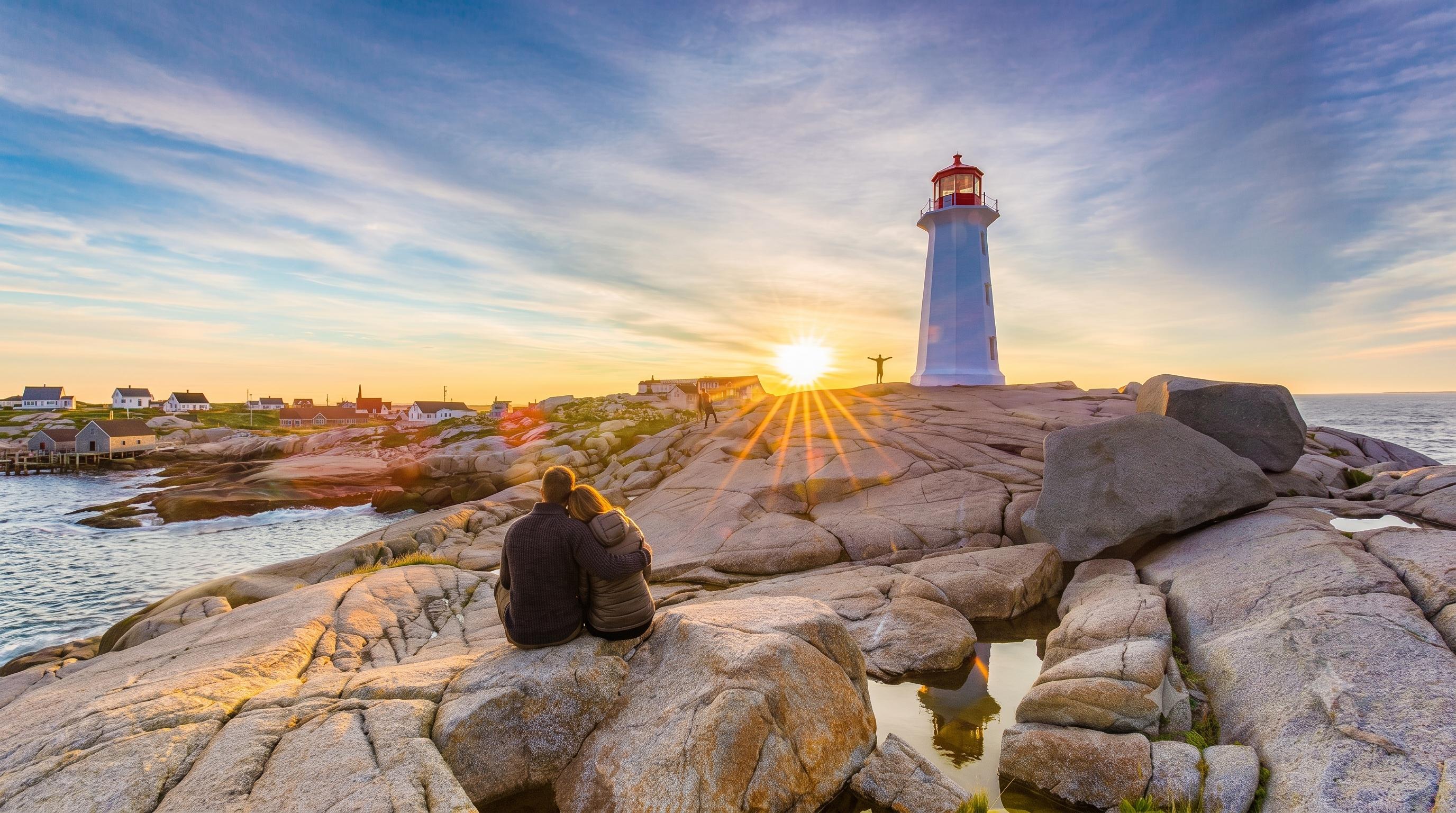
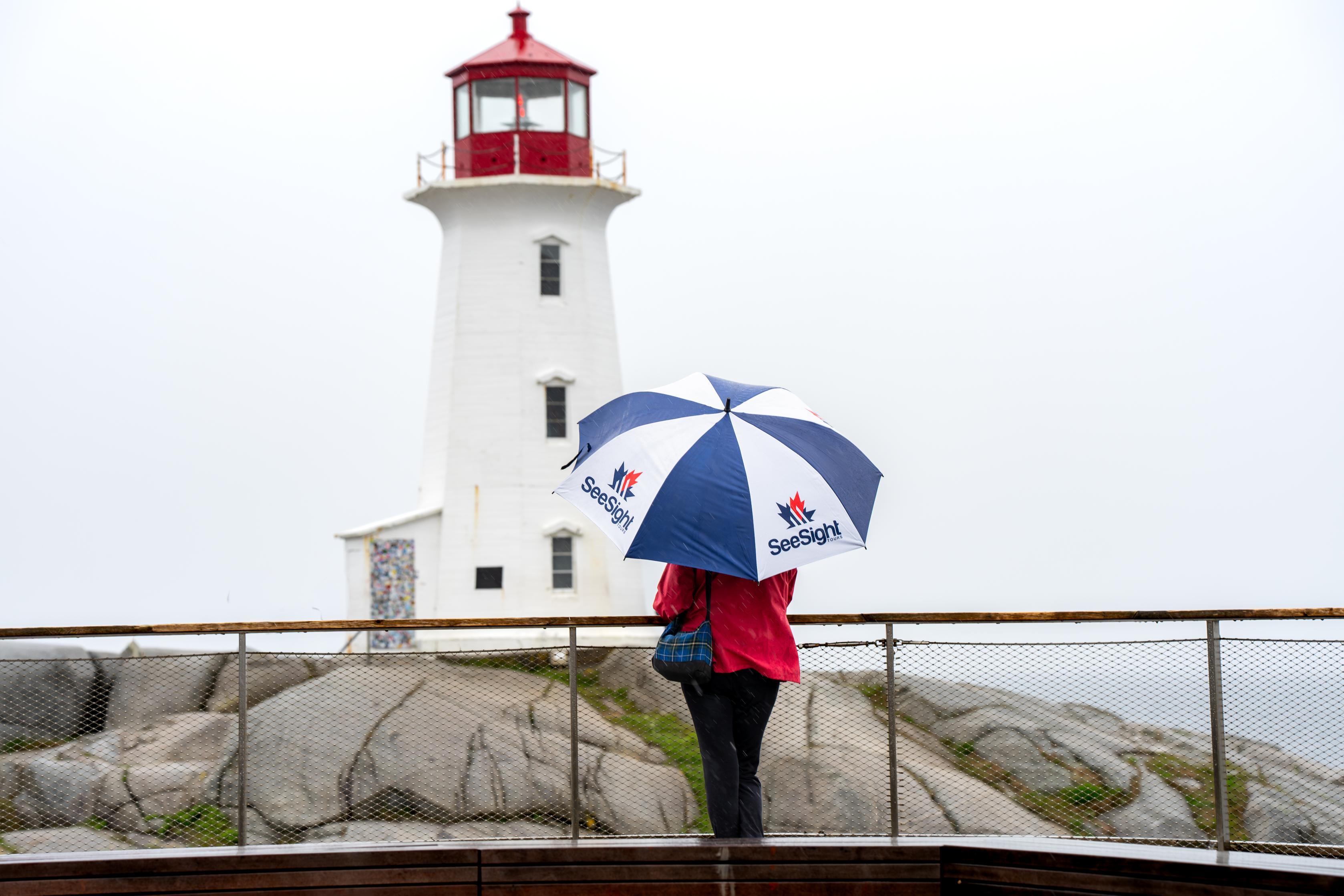
This iconic 1915 structure is the most photographed lighthouse in Canada, standing on a massive granite outcrop.
They offer different vantage points; most visitors who do both call the land-based excursion more practical for landmark access while the peggy's cove boat tour from halifax offers superior ocean perspectives. Choosing between a peggy's cove boat tour from halifax tour and a bus trip depends on whether you prefer maritime navigation or walking the granite terrain.
| Feature | Top pick Boat Tour | Land-Based Bus Tour |
|---|---|---|
Perspective |
From the Atlantic Ocean | From coastal roads and village streets |
Accessibility to Shore |
Limited to pier docking | Direct access to lighthouse and rocks |
Motion Sickness Risk |
High on open water | Low on paved roads |
Coastal Visibility |
Broad panoramic horizon views | Close-up geological and village details |
Duration |
2–4 hours | 4–7 hours |
Typical Group Size |
10–40 passengers | 15–55 passengers |
| See tickets → |
Verdict: Select the peggy's cove boat tour from halifax tickets for unique aquatic angles, or book a bus if you prioritize exploring the iconic lighthouse and village pathways.
Choose your ticket, select your date, and reserve in under two minutes. Secure checkout handled by our verified partner.
Instant confirmation by email, with a mobile voucher you can save offline. No printing, no queuing at a collection desk.
Arrive at the entrance, show your voucher on your phone, and walk in. Most tickets include priority or skip-the-line access.
Practical details for your visit straight from our verified partners — hours, access, rules, and how to get there.
Dress in layers, as coastal weather is highly changeable. Windproof and waterproof jackets are essential even on sunny days.
There are no lockers or formal security checkpoints at the village. Keep personal belongings with you at all times.
The granite rocks and lighthouse provide excellent photo opportunities. Respect private property and stay within marked safety zones when capturing images.
A modern, wheelchair-accessible viewing deck with handrails and photoluminescent strips is available near the lighthouse. Village streets can be uneven.
The area is family-friendly, but constant supervision of children is required due to the proximity to the dangerous Atlantic surf.
Several local restaurants and cafes are available within the village for fresh seafood. Food is not typically provided on independent transit tours.
Best time to go, insider tips, nearby landmarks, and the cancellation fine print — flip through to skim what matters to you.
Flexible, no hidden fees.
Full refunds are typically provided for cancellations made at least 24 hours in advance. Please verify specific terms with your selected peggy's cove boat tour from halifax operator.
Peggy's Cove receives more than 700,000 visitors annually, yet fewer than one in ten arrive by water — the route mariners have used since the fishing settlement was charted in 1811. The harbour route from Halifax traces the thirty-kilometre corridor that connects the provincial capital to the exposed granite shelf at Peggy's Point, where the iconic octagonal lighthouse has marked the entrance to St. Margaret's Bay since 1915. The current tower, painted in its signature red and white daymark pattern, replaced an earlier wooden structure and remains one of the most photographed beacons in the Atlantic provinces. The village's name likely derives from St. Margaret's Bay itself, though local folklore attributes it to a young woman named Margaret who survived a shipwreck in the late eighteenth century. What began as a subsistence fishing outpost evolved into a working harbour community, its weathered fish shacks and stacked lobster traps framing the granite slabs that slope into the Atlantic. William deGarthe, a Finnish-Canadian sculptor who settled here in the 1950s, carved a thirty-metre memorial into the granite outcrop behind his former residence — a frieze of local fishermen, their families, and the legendary figure of Peggy herself, rendered in deep relief across the living rock. Today's departure options range from amphibious harbour hoppers that transition from Halifax streets to open water, to express shuttles that bypass the inland highway in favor of coastal passage, to full-day charters that extend south to Lunenburg and the Ovens Natural Park. Most vessels depart from the Halifax waterfront between Cable Wharf and the Maritime Museum of the Atlantic, where interpretive panels document the city's role as a transatlantic port and the 1917 Halifax Explosion, the largest man-made detonation prior to the atomic age. The forty-five-minute passage out of the harbour follows the same fairway used by container ships and naval vessels, past McNabs Island and the outer fortifications that once defended the harbor entrance. Peggy's Cove itself occupies a six-hectare reserve within the larger community of Indian Harbour, its boundaries defined by the Preservation Area established in 1962 to protect the site from commercial development. The lighthouse stands twenty-four metres above the high-water mark, its light visible for twenty-six kilometres on clear nights. The surrounding barrens, scoured smooth by glacial action and salt spray, support only low-growing juniper, crowberry, and stunted spruce — a landscape that has changed little since the last ice sheet retreated twelve thousand years ago.
"The harbour route from Halifax traces the thirty-kilometre corridor that mariners have used since the fishing settlement was charted in 1811."
A step-by-step walkthrough of the visit — what you'll see, how long each stage takes, and the details that matter.
You board at Halifax's Cable Wharf, where the amphibious vessel idles beside the boardwalk, its dual propulsion system visible beneath the waterline. The departure window opens early — most tours leave between 09:00 and 10:00 to reach Peggy's Point ahead of the inland coach traffic that peaks after midday. As the craft clears George's Island, the city's high-rises recede and the outer harbour opens: McNabs Island to port, the container terminal to starboard, then the narrowing passage between Herring Cove and Portuguese Cove where the swells begin to lift the hull. The lighthouse appears first as a white mark against grey granite, then resolves into its full octagonal form as you round Peggy's Point. The vessel holds station offshore while you photograph the beacon from the water, the angle that nineteenth-century mariners would have seen it. Most departures include a one-hour stop ashore, time enough to walk the weathered boardwalks, examine the deGarthe memorial's carved faces, and stand on the wave-polished granite where signs warn against venturing too close to the surge channels — rogue waves have swept visitors from these rocks in calm conditions. Full-day charters continue south past Prospect and East Dover, threading the bay-studded coastline toward Mahone Bay and Lunenburg's UNESCO waterfront. Express shuttles return you to Halifax by early afternoon, the inbound passage timed to catch the harbour in softer light, the Citadel's star fort visible on its drumlin above the downtown core.
Entry to the village and site is 0 CAD (Free entry to the site and village).
It is recommended to book in advance during the peak summer months to secure availability.
The village is accessible 00:00–23:59 daily.
Yes, there is an accessible viewing deck with ramps near the lighthouse.
Arriving between 00:00–10:00 helps avoid the peak crowds that typically arrive between 11:00 and 15:00.
No, the lighthouse structure itself is generally closed to the public.
Wear layers and waterproof gear to handle changing coastal weather.
No, there is no public transit; you must use a private car or book a organized tour.
Yes, there are several restaurants and cafes in the village and near the departure points in Halifax.