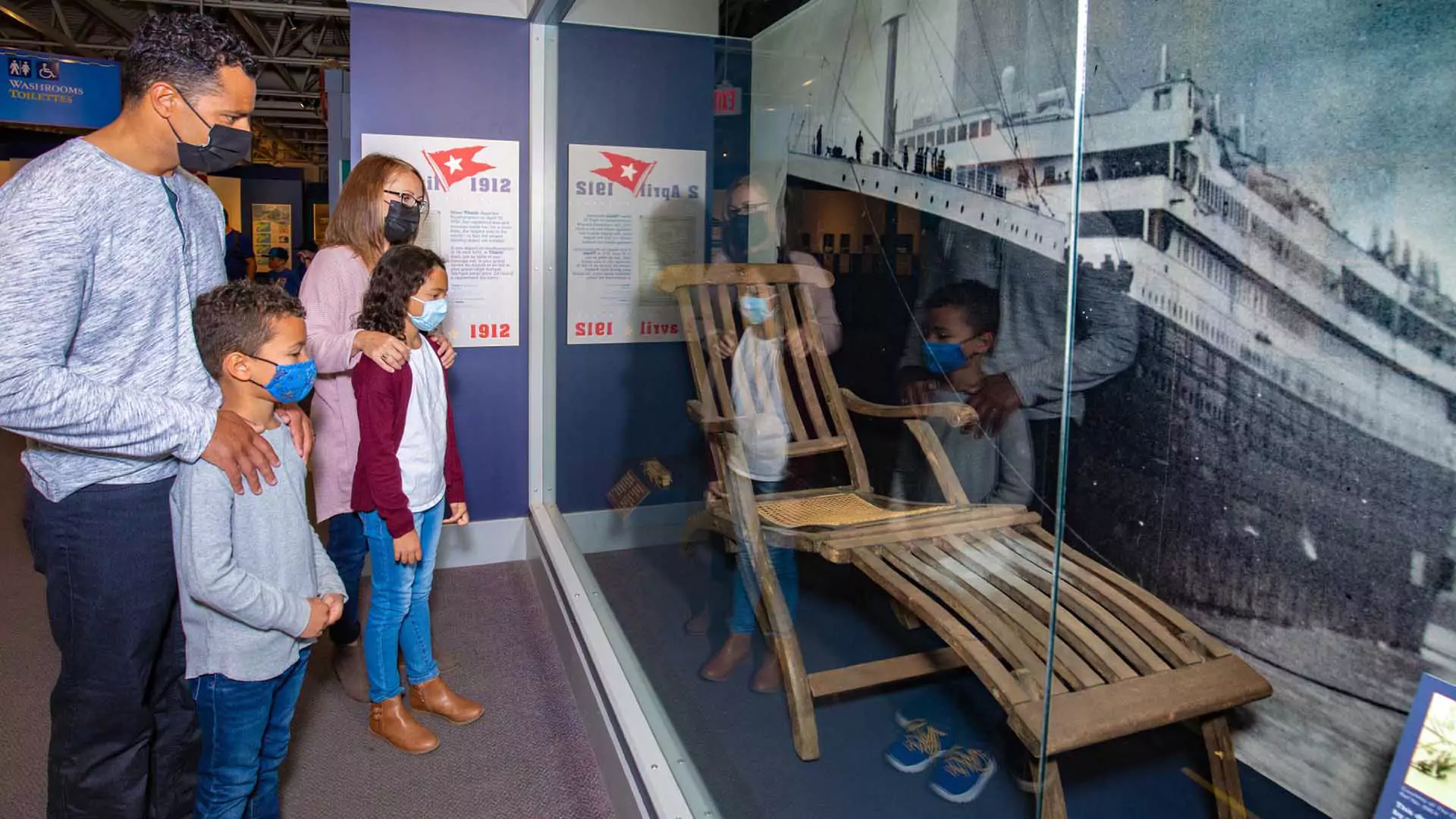
Maritime Museum of the Atlantic
2 min walk
This museum displays extensive exhibits on the Halifax Explosion and the Titanic, providing historical depth to the maritime surroundings.

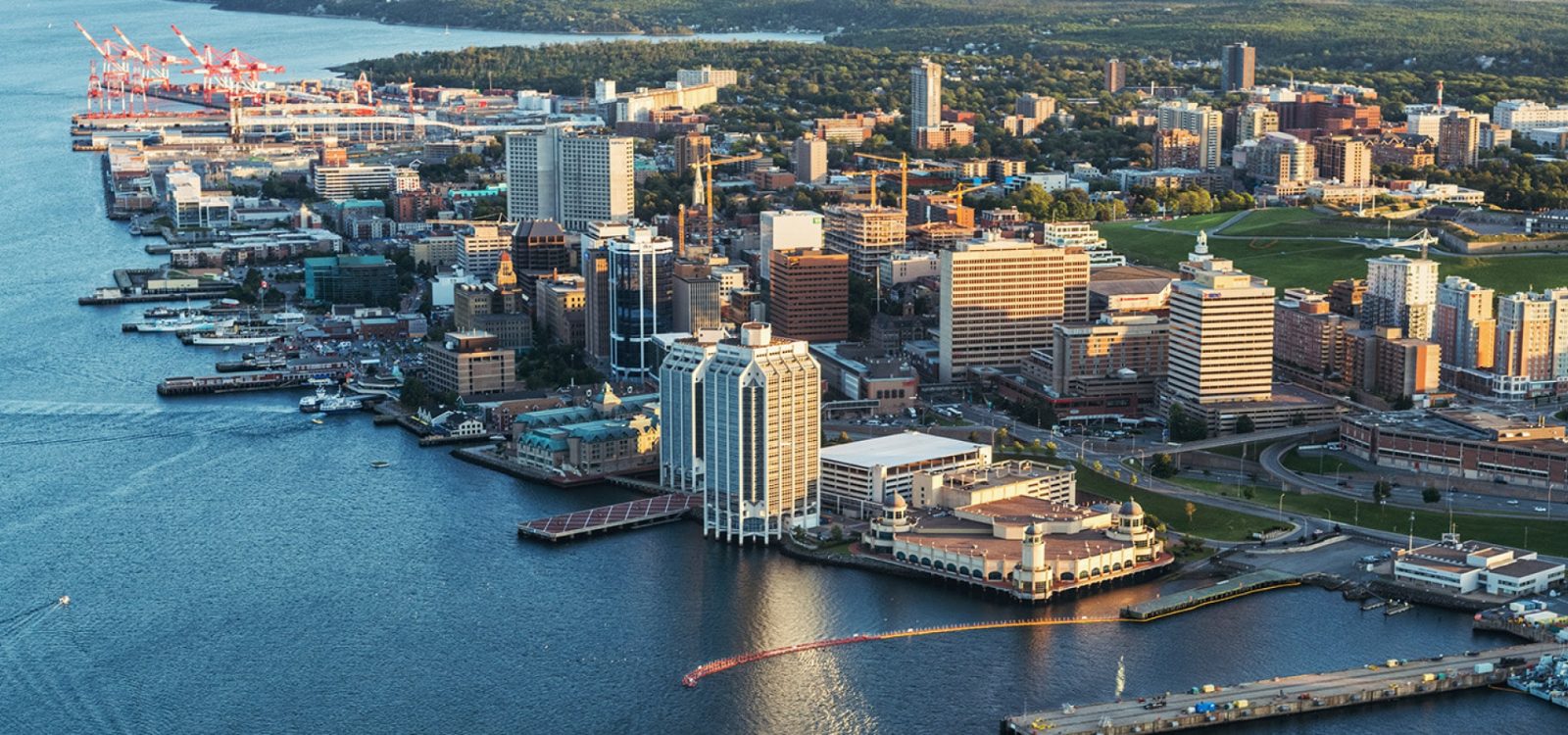
Halifax Harbour is one of the world's largest natural deepwater harbours and the longest-serving naval facility in North America. This Atlantic inlet has shaped Canadian maritime history for nearly three centuries, serving as a strategic military port, a commercial shipping hub, and the dramatic setting for the Halifax Explosion of 1917.
Quick answer
Halifax Harbour stretches 30 square kilometres with a maximum depth of 60 metres, making it the second-largest natural harbour in the world. The harbour never freezes, allowing year-round shipping operations. Its strategic location on the Atlantic coast has made it a critical naval base since 1749, and today it handles over 1,500 vessel calls annually while remaining open to the public along its extensive waterfront boardwalk.
The Bedford Basin at the harbour's northern end served as a critical assembly point for Allied convoys during both world wars, with up to 100 vessels anchored simultaneously before crossing the Atlantic. The harbour's natural configuration creates three distinct zones: the Narrows at the entrance, guarded by McNabs Island and Point Pleasant Park; the main harbour basin where commercial operations concentrate; and Bedford Basin, which functions as a sheltered anchorage. This geography explains why the British established their North American naval headquarters here in 1759. The Royal Canadian Navy maintains CFB Halifax on the Dartmouth side, while container terminals and cruise ship berths line the Halifax waterfront. Tidal range averages two metres, and the harbour mouth opens directly onto the Atlantic shipping lanes, eliminating the need for lengthy river approaches that complicate other major ports. Understanding Halifax Harbour facts means recognizing its dual identity as a working port and public space. The waterfront boardwalk runs three kilometres from Pier 21 to the Seaport Farmers' Market, offering unobstructed views of naval vessels, cargo ships, and harbour ferries. The Maritime Museum of the Atlantic sits directly on the water, displaying artifacts from the Titanic and the 1917 explosion that levelled the north end of the city when a munitions ship collided in the Narrows. That blast remains the largest human-made non-nuclear explosion in history. Visitors encounter an active maritime environment where commercial tugs pass within metres of pedestrian pathways. The harbour operates around the clock, and its ice-free status makes it Canada's winter gateway when the St. Lawrence Seaway closes. Ferries connecting Halifax and Dartmouth have run continuously since 1752, making this the oldest saltwater ferry service in North America.
“The Bedford Basin served as a critical assembly point for Allied convoys during both world wars, with up to 100 vessels anchored simultaneously before crossing the Atlantic.”
Halifax Harbour serves as a critical deep-water port on the Atlantic coast, recognized for its substantial natural capacity and year-round accessibility. Its geography supports significant maritime traffic and provides a sheltered anchor for vessels of various scales.
Halifax Harbour is frequently cited as the second-largest natural harbour in the world by surface area. It remains a deep, ice-free gateway for international shipping throughout the winter months.
The main shipping channel maintains a natural depth reaching up to 18 metres at low tide. This capacity allows large container ships and vessels to navigate the harbour safely.
The harbour basin covers approximately 25 square kilometres of sheltered water. This extensive area is protected by the surrounding landmasses of Halifax and Dartmouth.
The Narrows is a restricted passage connecting the outer harbour to the inner Bedford Basin. It measures less than 400 metres at its narrowest point.
The Bedford Basin, located at the northern end of the harbour, offers a large, calm anchorage area. It covers 17 square kilometres and provides significant space for naval and commercial vessels.
Tidal ranges in the harbour typically fluctuate between 1.5 and 2 metres. These predictable movements are managed by mariners to facilitate safe docking and navigation.
The Halifax Waterfront boardwalk is accessible to the public throughout the entire week. Visitors may access the area at any time during the day or night.
To ensure a quiet experience while exploring the waterfront, the best arrival window is between 08:00 and 10:00. Arriving during these hours allows visitors to bypass peak afternoon crowds.
—
Early visits provide the quietest access to the boardwalk and harbour area.
Warm, 20°C to 25°C
Expect frequent congestion near the main piers during mid-day hours.
Mild, 10°C to 18°C
These months offer comfortable temperatures and fewer cruise ship passengers.
Cool, 10°C to 16°C
Spring provides a calm environment before the peak summer season begins.
Verdict: Plan your visit for weekday mornings between 08:00 and 10:00 during the months of May, June, September, or October for the most optimal experience.
The Halifax Waterfront provides direct access to several cultural and historical landmarks. Exploring these sites on foot complements a boat tour by offering both land-based context and scenic views of the harbour.
2 min walk
This museum displays extensive exhibits on the Halifax Explosion and the Titanic, providing historical depth to the maritime surroundings.
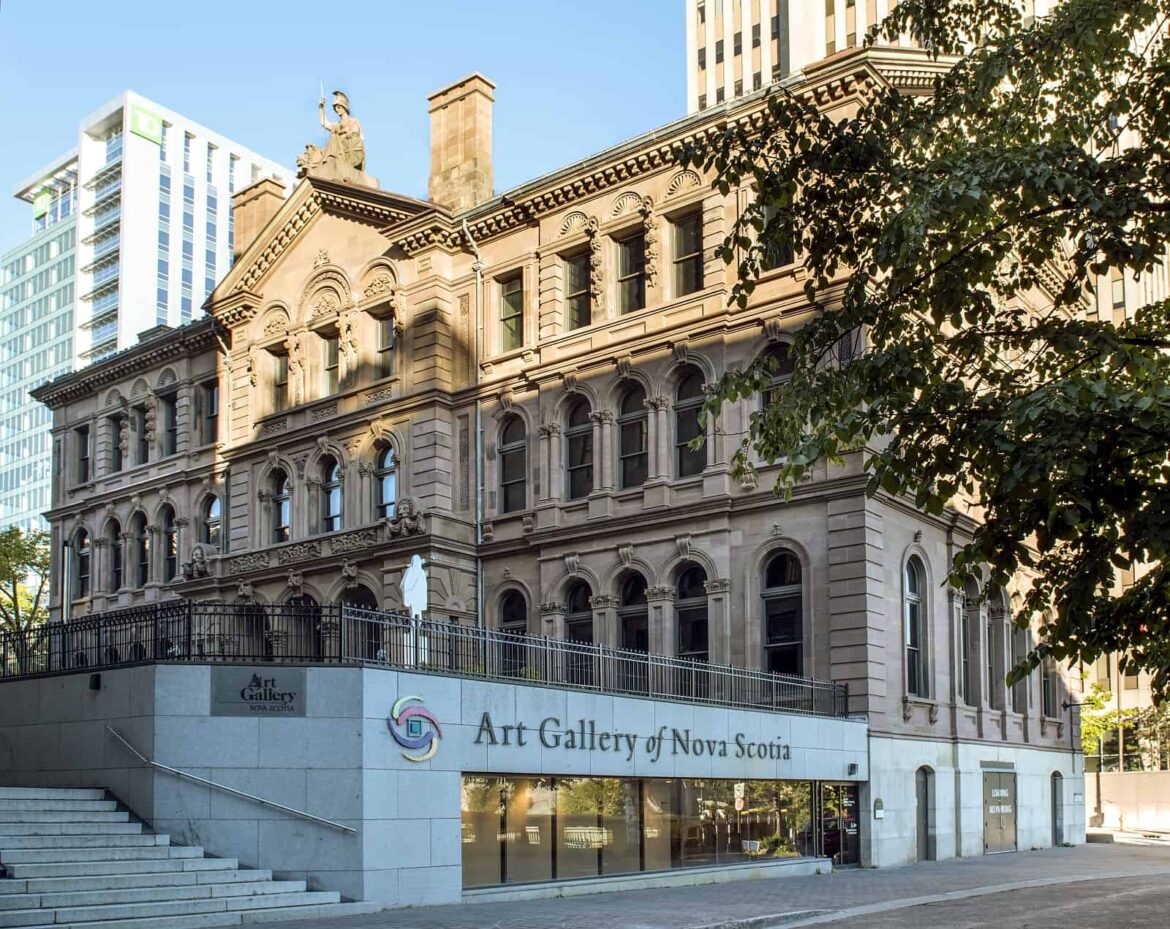
8 min walk
Located near the waterfront, this gallery features provincial art collections that offer a cultural contrast to the industrial history of the harbour.
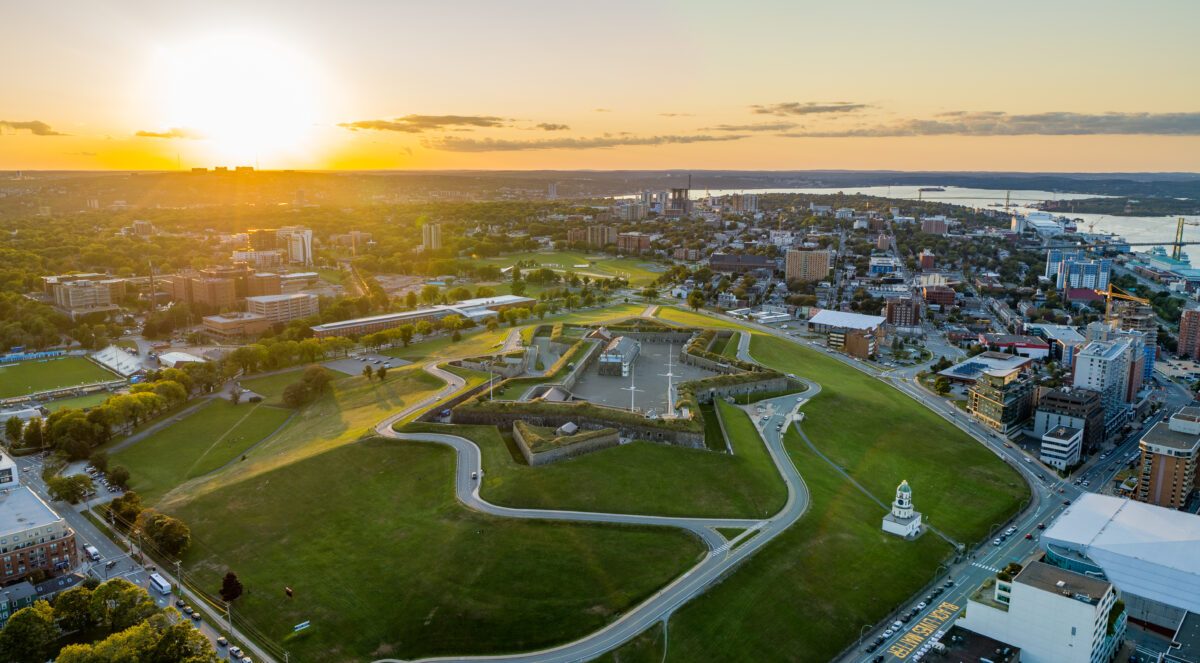
15 min walk
This star-shaped fort overlooks the harbour and offers a vantage point to see the vessels departing from the waterfront below.
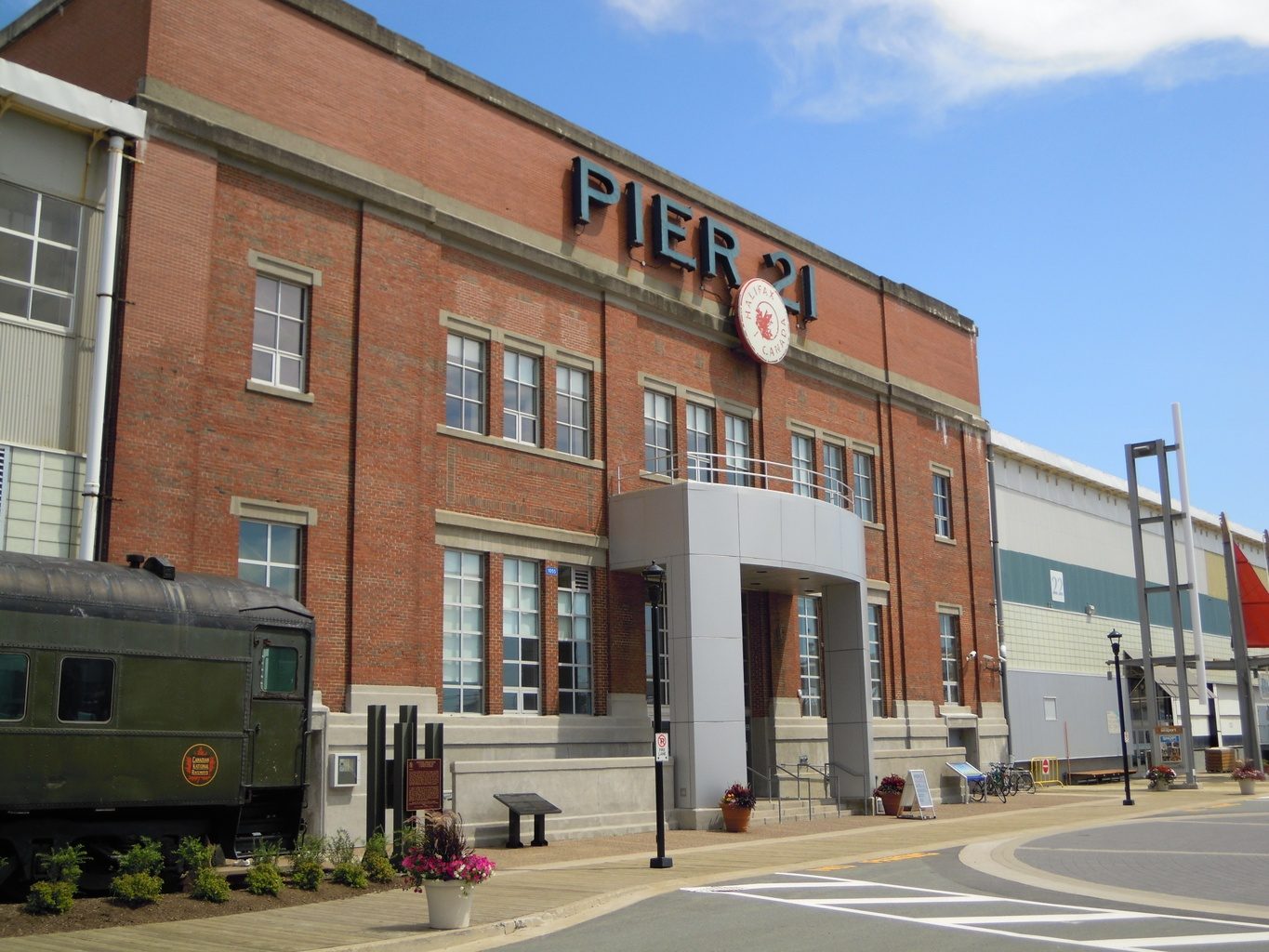
12 min walk
This site documents the immigration experience through Canada's gateway, situated conveniently at the southern end of the boardwalk.
Everything you need to know about halifax harbour facts
Understanding key halifax harbour facts helps you navigate the historic waterfront more efficiently. This area serves as a central hub for maritime culture, connecting various historic piers and public spaces along the Atlantic coast. You will find that reviewing these halifax harbour facts allows for a better appreciation of the geography and significance of this deep-water port. Walking the extensive boardwalk remains one of the best ways to explore the area's geography and history at your own pace. Visitors enjoy free entry to the public boardwalk, as there is a 0 CAD entrance fee. This accessibility makes it an ideal spot for a morning stroll or an evening outing by the water. To avoid peak afternoon crowds and enjoy a quieter experience, the best arrival window is between 08:00 and 10:00. Arriving early ensures you can navigate the waterfront docks and local landmarks with more space. These harbour statistics and logistics are essential for planning a Halifax boat tour, as they help you coordinate your arrival with scheduled departures. Most departures occur from the central waterfront, making it easy to transition from a land-based walk to a sea-based excursion. The official address for the area is Halifax Waterfront, Halifax, Nova Scotia, Canada. This central location provides easy access to nearby cafes, museums, and transportation hubs. The waterfront area is accessible 24 hours a day, as opening hours are Monday through Sunday from 00:00–23:59. This flexibility allows visitors to experience the harbour atmosphere during both quiet morning hours and busy evenings. While there is no skip-the-line attraction access for public walking paths, planning your arrival early helps you bypass general congestion. By staying informed about the area, you can better coordinate your travel plans and secure a spot on a vessel for a harbour cruise.
Halifax Boat Tour Prices
Read more Tickets & toursPeggy's Cove Boat Tour from Halifax
Read more GuideHalifax Ferry Cost
Read more Tickets & toursHalifax Tiki Boat Tours
Read more GuideHalifax Boat Tour Reviews
Read more Tickets & toursPrivate Boat Tours in Halifax
Read more Tickets & toursBoat Tours from Halifax to Peggy's Cove
Read more